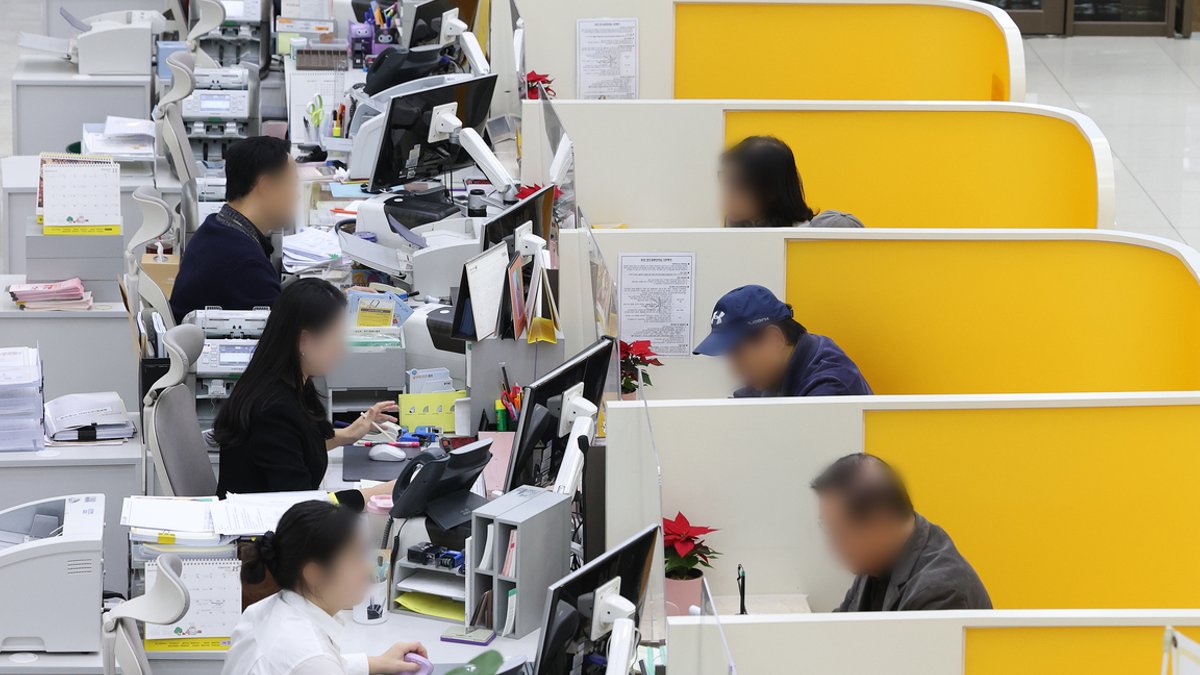
South Korea’s financial markets will begin trading an hour later than usual on Thursday to align with the College Scholastic Ability Test, or Suneung, a high-stakes national examination. The adjustment affects banks, stock exchanges, and derivatives markets, all of which have modified their schedules to minimize morning congestion as students, parents, and proctors move toward testing centers.
The Korea Federation of Banks confirmed that branches nationwide will open at 10 a.m. instead of their usual 9 a.m. start time, closing at 5 p.m. to maintain a standard operating window. The shift aims to reduce traffic during peak commuting hours. However, branches at airports, industrial complexes, markets, and institutions with independent schedules will retain their original timings.
The Korea Exchange announced that its primary indices, the Kospi, Kosdaq, and Konex, will open at 10 a.m. Regular trading will proceed from 10 a.m. to 4:30 p.m., preserving the typical six-and-a-half-hour session length. After-hours trading will also adjust: premarket closing-price transactions will shift to the 9:30–9:40 a.m. slot, while after-hours sessions will extend from 4:40 p.m. to 8 p.m.
Read Also: Samsung LG boost OLED gaming monitors in China
The alternative trading platform Nextrade will halt its premarket session, which ordinarily begins at 8 a.m., but will maintain its revised schedule for main and after-hours markets. Derivatives trading, including Kospi 200 and Kosdaq 150 futures, will operate from 9:45 a.m. to 4:45 p.m. Currency products such as US dollar and gold futures will open at 9:45 a.m. but close at their standard 3:45 p.m. time.
In contrast to other markets, the Seoul foreign exchange market will continue its standard 24-hour trading system, introduced in July. This marks a departure from the prior practice of delaying its opening by one hour on Suneung day, ensuring uninterrupted access for participants.
Local reports indicate that the adjustments follow years of coordination between financial institutions and education authorities to mitigate disruptions caused by the annual exam.
