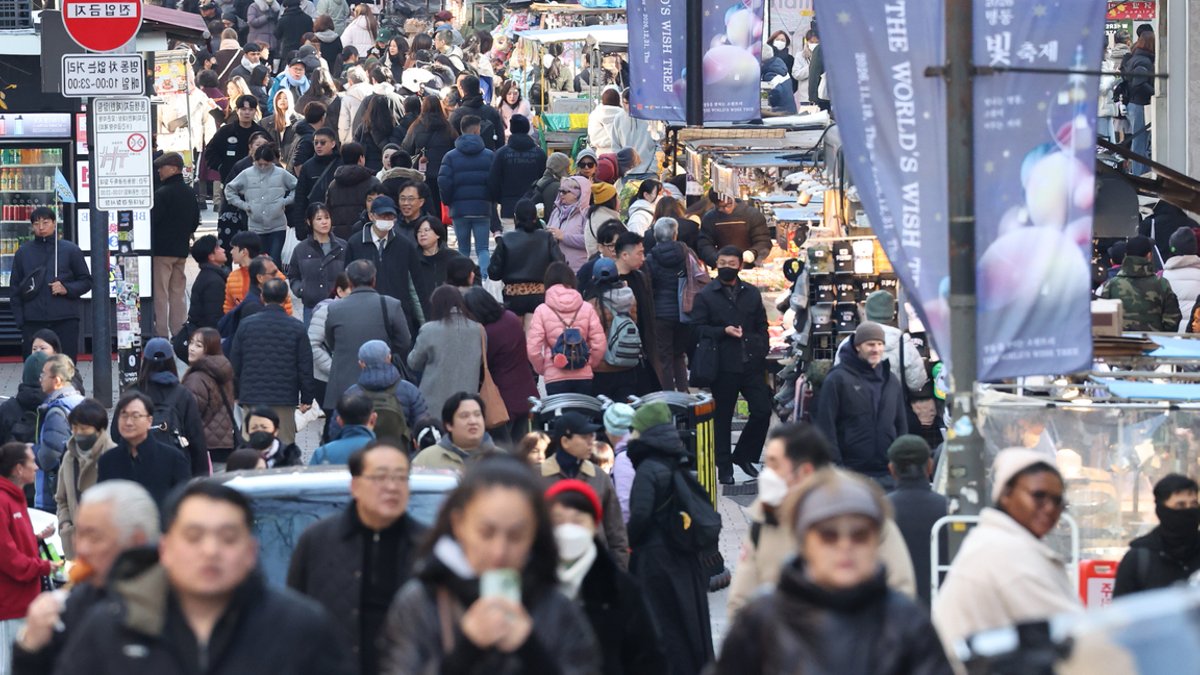
Myeong-dong has reclaimed its place among the world’s most expensive shopping districts, driven by a surge in foreign visitors and evolving retail preferences.
Rankings and rental growth
The Cushman & Wakefield report released this month placed the Seoul neighborhood at ninth globally for retail rent levels, while it moved up to seventh in the Asia-Pacific segment.
Annual rents reached $739 per square foot, a 9 percent rise from the previous year, which is roughly three times the worldwide average growth rate for prime retail locations.
Vacancy remains exceptionally low, with only 3.9 percent of space unoccupied. This figure is the second-lowest across Seoul’s six major shopping districts.
Tourist influx fuels demand
The Korea Tourism Organization reported about 6.4 million foreign arrivals in the third quarter, putting the nation on track for a record 20 million international visitors this year.
An official from a local real-estate asset manager said, “The rules of retail have fundamentally changed. Offline commerce is increasingly driven by international visitors and experience-oriented shopping.”
Global brands are intensifying competition for storefronts, viewing the area as a must-visit destination for tourists and a convenient spot for domestic shoppers.
A consortium led by Goldman Sachs and Igis Asset Management has been named preferred bidder for the Timewalk Myeong-dong mixed-use property. The prospective owners plan to reduce office space and expand medical facilities, noting that dermatology and plastic-surgery clinics command rents 20-30 percent higher than typical office tenants.
Jason Yun, head of the Retail Leasing Group at Cushman & Wakefield Korea, said the district’s growth reflects strong international visitor demand and a shift toward tourist-oriented tenant mixes.
The sustained low vacancy suggests that future growth will depend on how quickly brands can rotate into premium spots, as new demand is largely absorbed through turnover rather than new construction.
In Myeong-dong, near-zero vacancy means brands are competing for high-visibility locations that blend global narratives with physical experiences, reinforcing the district’s appeal to both visitors and locals.
