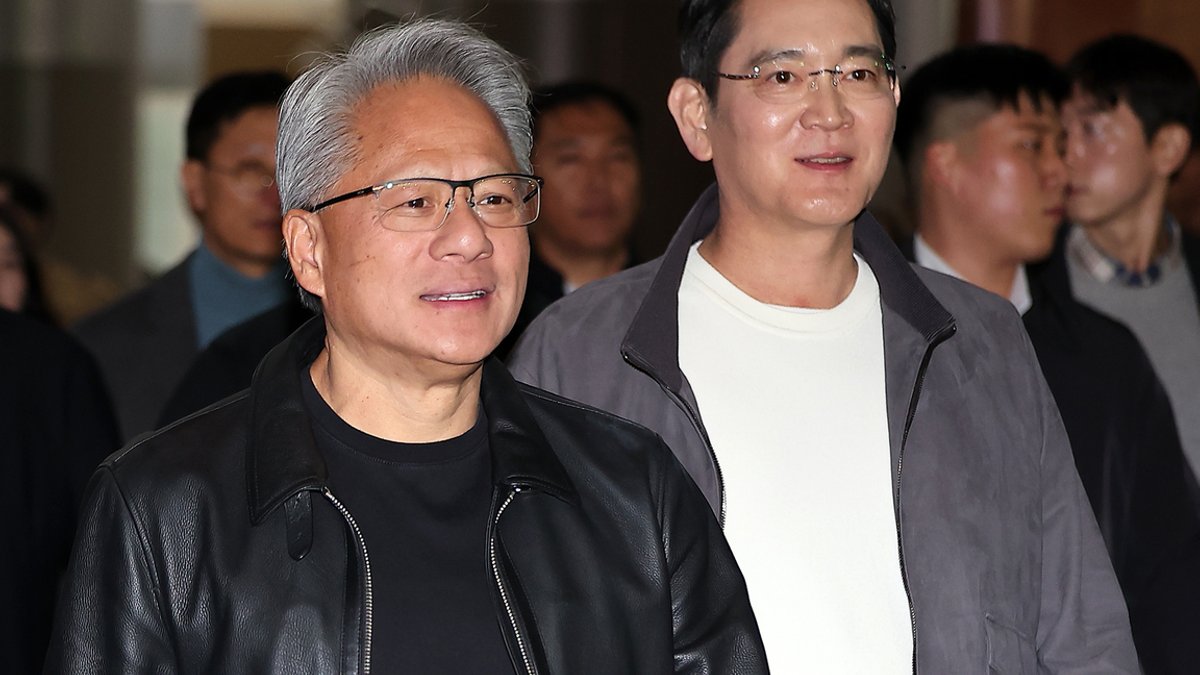
Jensen Huang’s return as Nvidia CEO has eased concerns over Samsung Electronics and SK hynix’s high-bandwidth memory partnerships. His reinstatement, just 11 days after resigning, comes amid fears of a peak in memory earnings.
Nvidia’s board unanimously voted to bring Huang back as president, CEO, and board member. He stepped down on November 12 amid personal conduct controversy and reports of foreign intelligence targeting. The board, after consulting senior US government officials, determined his return posed no national security risk.
Korean Chipmakers’ Relief and Continued Diversification
For Samsung and SK hynix, Huang’s return ensures stability in their partnerships with Nvidia. A new CEO could have altered Nvidia’s chip development roadmap and procurement strategy, affecting Korean suppliers’ schedules, orders, and pricing.
SK hynix, Nvidia’s key HBM supplier since 2022, saw sales to Nvidia reach nearly 35 trillion won ($26.06 billion) in the first nine months of this year, accounting for 14.8% of its total revenue. During Huang’s June visit to Seoul, SK Group Chairman Chey Tae-won planned to extend the partnership beyond memory chips into AI infrastructure.
Samsung aims to expand its share of Nvidia’s memory business. Its chip chief discussed long-term cooperation on HBM4E and HBM5, as well as foundry services, with Huang in June.
Market Outlook and Diversification Efforts
Nvidia’s multiyear procurement commitments signal strong AI memory demand. The company’s total commitments rose to $390 billion, with memory procurement driving most of the increase. Market tracker TrendForce forecasts HBM prices to more than double next year, reaching $3.70 per gigabit.
Samsung’s planned HBM output for 2027 is already sold out, and SK hynix’s DRAM and HBM supplies are booked through 2029. However, Nvidia’s leadership crisis highlighted the risks of relying heavily on a single customer.
TrendForce projects Nvidia will remain the largest source of global HBM demand in 2027, though its share will fall from 55% to 42%. Google’s share is expected to climb from 22% to 31% as the tech giant expands the use of its custom AI chips.
SK hynix has signed long-term supply agreements with 14 major customers, covering over half of its projected production capacity for 2027 and 2028. Samsung has strengthened ties with AMD, Google, and Broadcom, finalizing multiyear memory supply deals with 10 major customers.
Samsung has also been actively expanding its partnerships, leveraging both its memory and foundry businesses.
