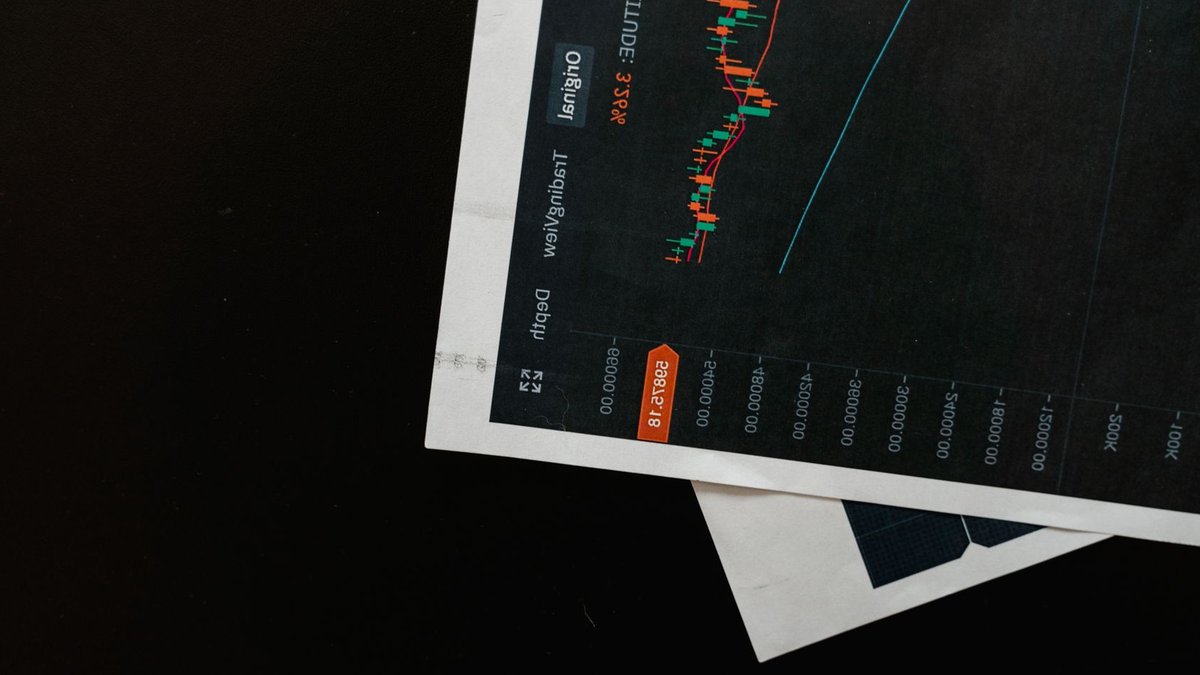
Sharp declines in Samsung Electronics and SK hynix shares have pushed a set of equity-linked securities (ELS) toward their knock-in thresholds, raising concerns that the products could fuel broader volatility in South Korea’s stock market.
Rising exposure to chip-linked ELS
The Korea Securities Depository reported that 94 short-term ELS issued in June total 180.2 billion won (about $135 million). Of these, 76 products worth 178.6 billion won are tied to domestic assets such as the Kospi 200, Samsung Electronics and SK hynix.
Data from KIS-Net show that 86.6 billion won of these securities have already breached their knock-in barriers, meaning investors could lose principal at maturity. SK hynix accounts for 23 billion won of the breached balance, the Kospi 200 for 16 billion won and the S&P 500 for 29.8 billion won.
One example is NH Investment & Securities’ ELS No. 24866, issued in June with a 27.45 percent annualized return.
Linked to it and the Kospi 200, the product failed its September early-redemption test, and the chip maker’s price fell to 1.224 million won on Nov. 13, 45.7 percent below its reference level, close to the knock-in barrier of 935,550 won.
Read Also: Inside Coal India’s Plan to Unlock Subsidiary Value
Potential market impact from forced hedging
When ELS approach knock-in levels, securities firms often sell the underlying shares or futures to reduce hedging exposure. Such forced sales could add downward pressure to the Kospi, which closed at 5,290.53 on Friday, down 42 percent from its June 22 peak of 9,114.55.
Analysts note that similar patterns occurred in March 2020 when index-linked ELS neared knock-in points, prompting brokers to increase hedging sales. If more chip-linked products breach thresholds, brokers may intensify selling, potentially amplifying the market’s decline.
In the middle of this volatility, some observers suggest that continued pressure on chip stocks could lead to a feedback loop: falling prices trigger ELS breaches, which in turn force more asset sales, further depressing prices. The scenario hinges on how many products reach their barriers before their scheduled maturities.
Other high-yield offerings face comparable risk. Mirae Asset Securities has an ELS promising roughly 20 percent annualized returns, while another NH Investment & Securities product offers 47.1 percent. Both are linked to the same volatile chip equities.
